


“African metal is on the rise. It is brutal, political, and unforgiving. I admire that.”
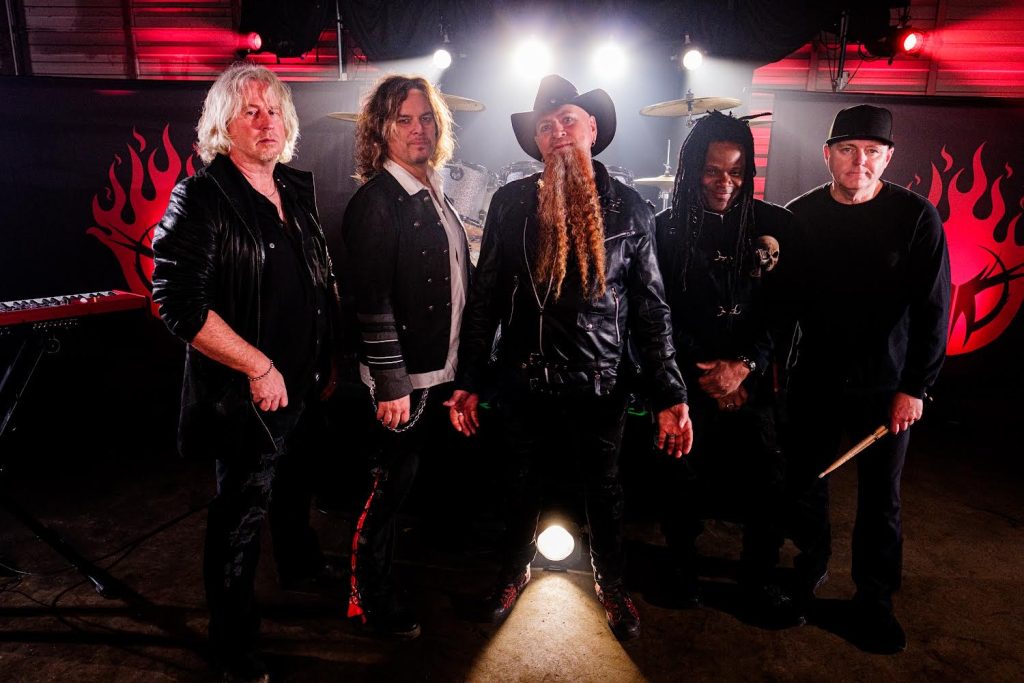
The Mighty One is Tim Steinruck’s main outlet now: a socially conscious hard rock/metal band from Vancouver, Canada, built around mental, physical, and spiritual wellness.
Before this chapter, Steinruck came up in the ’80s and ’90s hair metal scene with Unchained, a band that landed management and a record deal with Paul Stanley of KISS. Stanley became a mentor. The lifestyle was the lifestyle: big dreams, big ego, and all the damage that can come with it.
At some point, he says, something cracked open. He stopped chasing the “rockstar” version of himself and started writing from a different place. The name The Mighty One isn’t an alter ego to him. It’s a reminder that his creativity has power, and that there’s something bigger behind it. In his view, the point is to meet life head-on – to treat challenges as a way to grow, to go deeper instead of skating on the surface, and to make peace with the parts of yourself you’d rather avoid.
“I sat with that for a while as I began to write this song, and I realized that the world I grew up in was dead, gone, and never coming back.”
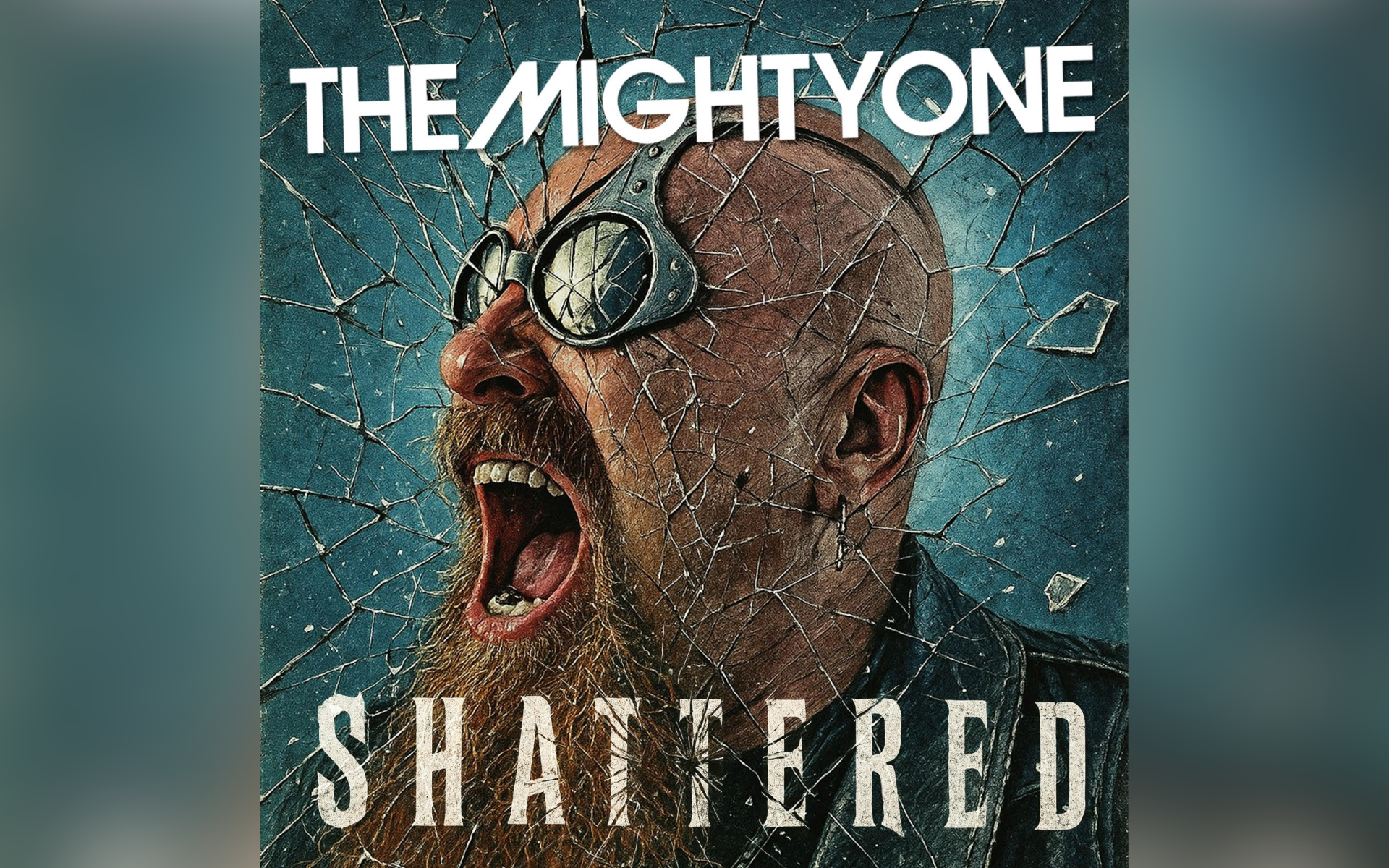
“Shattered” sits in that moment where the story falls apart and you can’t unsee it. What was the first spark for the lyric, and how did you keep it from turning into a sermon?
Tim Steinruck: About five years ago, I began to observe the very fabric of reality starting to fray. Living in a world reflected back to you by your own social media algorithm. The news can be revealing, but it can also be disorienting and depressing. COVID was the breaking point.
I sat with that for a while as I began to write this song, and I realized that the world I grew up in was dead, gone, and never coming back.
The grief of that realization stayed with me for a while. But like the other challenges I’ve faced in my life, I eventually transformed my perspective on it. I embraced a new reality where unlimited freedom exists. I accepted that I am a spiritual being having a human experience, not the other way around.
From this new reality, I realized that one day my body will die, but my soul is eternal. Fear of the future and death faded away. I have become immortal. For real.
The hook says, “Old rules are shattered / Now all that matters is right here, and now.” When you sing that, what does “right here, and now” mean in practical terms for you as a person?
The present moment is really all I have control over. What happened in the past is now my wisdom, and I have little to no control over the future. I can plan for the future, but my ability to flow with whatever is, that’s where my true power lies.
I’ve made peace with my past and the uncertainty of the future, so I can be present in every sacred “now” moment.
You’ve talked about collapse and manipulation: AI takeover narratives, political rot, media spin. What part of that world gets under your skin the most? And what do you think people misunderstand when they write songs about it?
I think it’s important to see things just as they are. There has never been a time of more accelerated evolution than now. Just when you think you’re beginning to understand something – or someone – they change.
The mind loves stability. It survives best on logic and reason. But predictability is in short supply these days. We’re easily pulled into pendulums of right vs left, good vs bad, dark vs light, and so on.
They steal our power and make us blind, swinging higher and higher. The only safe place to be is on the ground, observing others being swept away by division, and empathetically sending them love.
From the apocalypse of divisive destruction, the phoenix eventually rises to create a new and better world. It’s always been that way.
“I was committed to taking the dark vs light theme to a new level.”
Musically, it’s tight and aggressive, but it still holds onto a rock backbone. When you were building the arrangement, what did you refuse to compromise on?
I was committed to taking the dark vs light theme to a new level. More aggressive across the board, especially the drums and vocals. Drummer Bob Wagner’s performance is seriously impressive, and it’s the first time I’ve ever attempted a death metal growl.
I’m always committed to a soaring chorus. Building the choral-like background vocals on this one brought an angelic essence that beautifully juxtaposed the dark verse content.
Nearly five years after Torch Of Rock And Roll, what’s changed in how you write together? What do you catch yourselves doing now that you didn’t back then?
I’ve stepped out of my comfort zone in songwriting, and I feel that defines me. I’ve also let go of controlling the production. I let everyone perform intuitively on this track.
For instance, Daniel Rios from Colombia, the band’s social media manager, added some incredible lead guitar. Coincidentally, he’s also the band’s tour bass player when we travel to South America. Our keyboard player, James Meyer, created some incredible soundscapes for this one. He’s an absolute creative master and has incredible instincts.
I’ve finally surrendered to letting things evolve organically after the foundational parts are built. My breakthrough is that I’m letting go a bit. There is real peace that comes from that.
You produced the track yourselves in Vancouver, then handed the mix/master to Dave Padden. What were the notes you were most stubborn about, and what did Dave push you on that ended up improving the song?
It’s interesting. After working with Dave on the Torch Of Rock And Roll album, a lot of that work had already been done. We began the mix with a new sound palette, but we quickly went back to the original approach. Dave created a template from that earlier production, and we dropped “Shattered” into it.
With that baseline, and everything we’d learned, we reached the power of the original soundscape and then pushed past it.
The Colombia run with Obús sounds like it put you in front of crowds who don’t need warming up. What did that tour teach you about what lands live? And did it change how you approached “Shattered” at all?
“Shattered” was the closing song of the set, and the response was incredible every night. The demographic of the Obús fans was a beautiful match for a band like ours. Two generations of hard rockers. Some in their late 60s, some as young as 20, and everyone in between. Obús has been a legacy for over 40 years in Spain and South America. Supporting a band like them made every night legendary.
To see Fortu, the 70-year-old frontman, hold the audience in his hand the way he did was stunning and inspirational. I learned so much from his live performances, and his health protocols while on tour.
“I’m a real fan of the band Skinflint from Botswana. They’re such a unique intersection of metal and African culture.”
Africa.Rocks tries to connect heavy scenes across continents. Has there been any African metal or hard rock you’ve come across that surprised you, or any African city you’d actually want to play? And what would you want to learn about that scene before you showed up?
I’m a real fan of the band Skinflint from Botswana. They’re such a unique intersection of metal and African culture. It would be amazing to connect with them and play there. African metal is on the rise. It is brutal, political, and unforgiving. I admire that.
Hear “Shattered” and the rest of The Mighty One’s music over on their Bandcamp.


