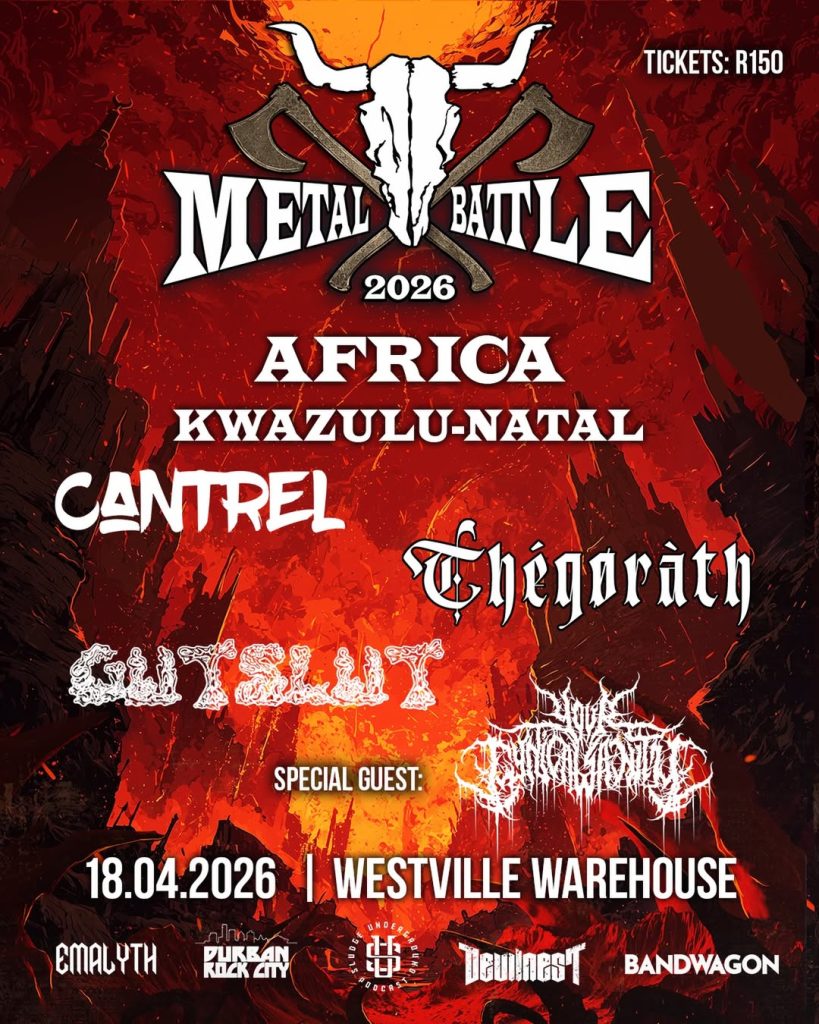


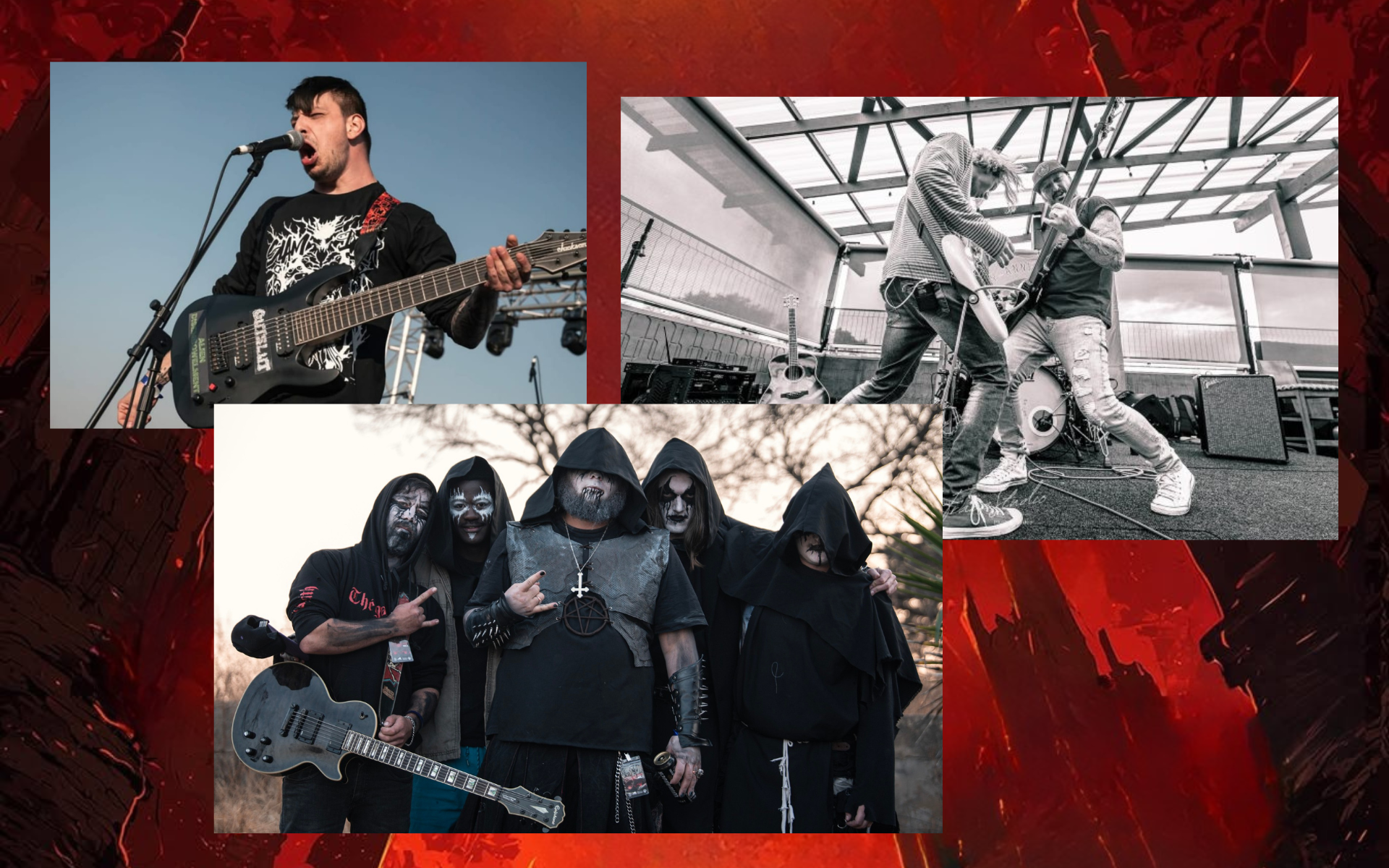
This is a mixed bill in the best sense. Gutslut comes in as a one-man slam project. Thégøràth return to the battle with more experience behind them. Cantrel bring a different pull, built around songs that aim straight for the room. The format is the same for all three: a short set, a lot of eyes on the stage, and very little time to waste.
“Brutal death metal is a global language, and this is a chance to speak it on a much bigger stage.”
Jason Langley describes the Gutslut slot in direct terms. “It’s like taking something built in the underground and dragging it into the light, without sanding off any of the rough edges. KwaZulu-Natal is where the foundation was laid, where the sound was shaped in real conditions, not ideal ones. So stepping onto a stage here, in a format like Wacken Metal Battle, feels like representing that entire process, the grit behind the music, not just the final product. At the same time, it’s a gateway. Brutal death metal is a global language, and this is a chance to speak it on a much bigger stage. For a project like Gutslut, it’s about showing that something this extreme, this unapologetic, can come out of South Africa and stand shoulder to shoulder with international acts. It’s not just an opportunity, it’s a proving ground.”
For Thégøràth, Butcher puts the emphasis on what the platform already offers bands before anyone even gets near the final. “The Wacken Metal Battle means a lot to us, as this will be our second time entering as a band and a fourth time for me personally. The platform really is amazing. You get international marketing, support from the promoters, Emalyth, and stage time in a very professional format. It’s something that I would suggest to all bands, especially up-and-coming bands, so they can see how the industry works and cut their teeth. The chance of representing your country at Wacken Open Air is obviously the main drawcard. This competition is like the Olympics of metal.”
Jesse Breytenbach answers from Cantrel’s side with the focus on the crowd first. “It’s such a privilege to be part of the Wacken Metal Battle, competing with the other bands that have such crazy talent. In Cantrel fashion, we will give the crowd a night they’ll never forget and a show for the books. Cantrel never just has a normal show. We give the crowd the time of their lives, and especially for the Wacken Metal Battle. We want to show that Cantrel deserves to be at Wacken, because Cantrel isn’t just a normal band, and we’re doing it for the love of music.”
The set itself is where bands start making decisions. A battle slot is shorter than a regular show, so what stays in and what gets cut becomes part of the work.
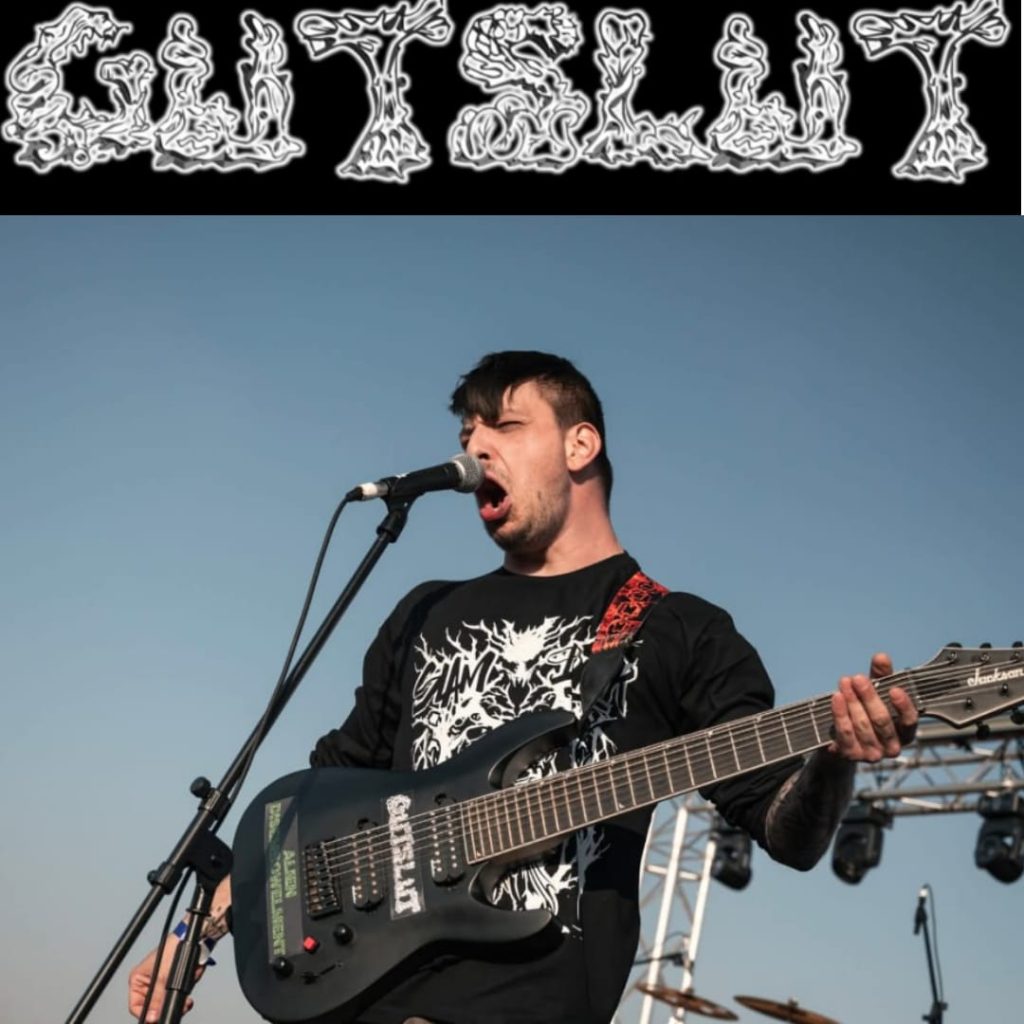
Gutslut is building the set to rise in pressure: “The setlist is built to escalate, to pull people in and then keep tightening the pressure. Technically, everything has to be sharper. As a one-man project, there’s zero margin for error, so I’ve been locking in timing, transitions, and making sure the performance feels tight but still aggressive. And then there’s stage presence. Without a full band, the energy has to be projected differently, more deliberate, more physical. It’s about making the performance feel as intense visually as it does sonically. A new addition is a custom-made Gutslut slam flag, organised by my amazing girlfriend, which will be included in all future gigs to add to the menacing stage presence and be more compelling for metal fans. It adds to a more brutal atmosphere. Sound is a big focus too. Slam can easily turn into a wall of noise if it’s not dialled in properly, so I’m making sure to control the madness. It needs to feel like weight, not just volume. I make sure that there are even levels between the guitars, drum programming and vocals, to ensure that no sound overpowers the other.”
“We are definitely not the same band we were last year.”
Thégøràth have changed the set, but they are also working from a band that has changed since last time: “We have changed our set slightly. Luckily for us, we know quite a lot of people in the industry and have been taking points and tips since our last performance. We’ve written new songs since our last battle and made small changes to existing songs to make them more enjoyable for the crowd. Furthermore, we have been practising twice a week rather than once leading up to the battle. We really want to be as tight as possible. Also, everyone in the band has gotten much better and more comfortable with each other. We are definitely not the same band we were last year.”
Cantrel’s answer starts from the idea that every show already has to deliver: “Cantrel gives 100 percent for every show. No show is different from the others. We are there to play our music and to give the crowd a show. Every band that I watch, I go to get away from reality and just have a good time and enjoy the music, so that’s what Cantrel does when we play our shows. We give the crowd a reason to come to the show, to just have a good time and forget about reality for a few hours. But Wacken is a different beast. We are ready to give the crowd our craziest set yet, making it impossible not to go nuts, bang your head as hard as you can, and mosh like there’s no tomorrow. The crowd needs to bring their A-game because Cantrel is bringing the heat.”
The bands also come from very different starting points, and that shows in the way they talk about the day-to-day side of it.
Gutslut has been running since 2016 as a DIY project built by one person: “Gutslut started in 2016, and the name came from a brutal death metal band called ‘Gutslit’ from India. I simply changed the ‘i’ to a ‘u’. The name can mean mutilation or dismembering of sluts. It is daunting but very self-rewarding to play in an extreme genre of metal. You don’t have any labels or sponsorships to help you out. It’s very much a DIY culture, so this musical endeavour is 100 percent passion-driven and a need to push boundaries and find a calmness in the storm, which is a sub-genre of death metal called slamming brutal death metal. This music requires constant practice and dedication without much recognition. In this regard, you never take a gig opportunity for granted. From being a fan to being on the stage is surreal and humbling, and it provides growth to you as an artist. I built it myself. That means everything. Writing, recording, structuring the sound, pushing it out into the world, all of it happens through one set of hands, with the help of a fellow bandmate, Grant Lazenby, from my other project Alien Disembowelment, inside the Distortion Dungeon. He has helped to shape and refine the sound of Gutslut. Day to day, it’s a constant process. You’re always refining, always working, whether it’s new material, promotion, or just finding ways to get the music in front of people. In South Africa, the scene isn’t handed to you. There’s passion, but limited infrastructure, so you learn to operate independently. You become your own engine. It is a positive outlet where you can take out your aggression and negative emotions in a healthy way. And still keep your sanity.”
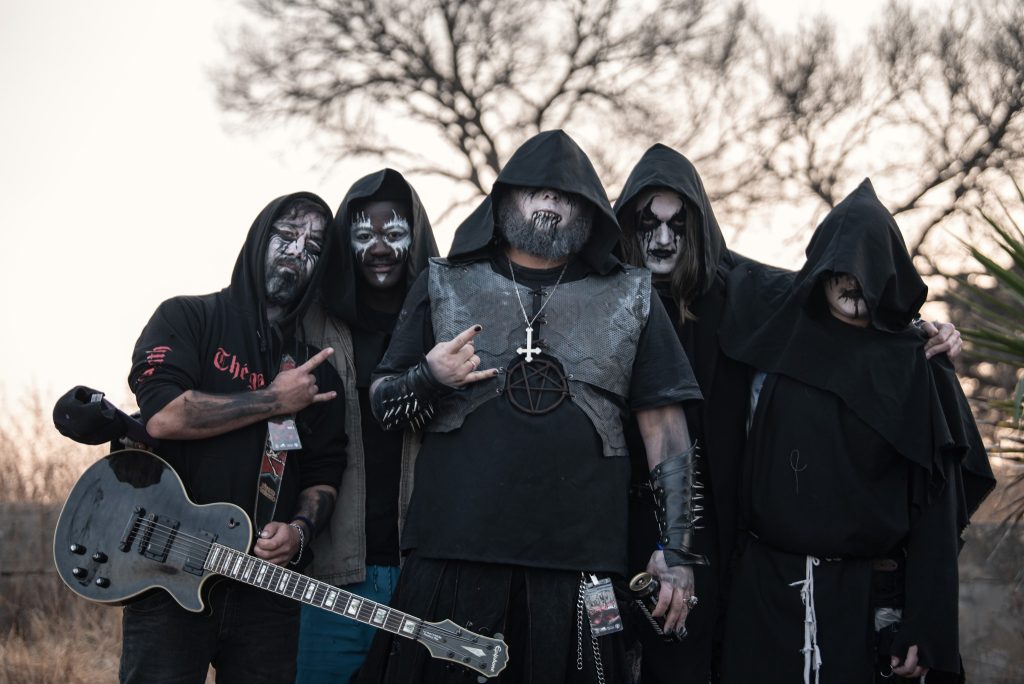
Thégøràth started more recently, but their account is full of the usual band realities: lineup changes, practice, travel, money, recording. Butcher writes, “Thégøràth was formed in early 2022 after Michael, guitarist, met Kyle, former drummer, and Sven, former vocalist, through Vampr, a mobile app for finding local musicians. Since then Thégøràth has evolved and grown in ranks with like-minded musicians: Luca on bass, Hayden, previously of Cruci-Fiction, on guitar and backing vocals, Butcher, previously of Cruci-Fiction, on vocals, and in the last year Shamelock on drums. Since inception we’ve been working hard on building the band that it is today, and we have learnt a lot since then. Day to day it is a constant grind with practices, marketing, budgeting, travelling, gigging, networking and, recently, recording. There is never a dull day. We have faced challenges with members emigrating and finding suitable musicians to fill their shoes. But we are fortunate to have the band we have today. We all enjoy what we do, with each member committed to creating the intense, brutal, ear-assaulting music that is Thégøràth.”
“It’s really been such a journey so far, and I can’t wait for what the future holds for Cantrel.”
Cantrel came out of something looser before it became a full band during lockdown. Jesse explains it this way: “Cantrel was Neil’s side project for a number of years before ‘the band’ started. It was just a platform for him to release some cool songs that he would write and release in his free time, getting different vocalists in to sing the songs. But the band started during lockdown in 2020. When we were stuck at home, Neil and I started jamming and playing our favourite songs from bands like Nirvana, Seether and Linkin Park together, and thought that we had good chemistry. So we started writing some stuff, and it actually sounded really amazing, combining our different types of musical knowledge and seeing the different ways one would hear where the songs wanted to go. So we thought, why not start a band together? How the band would normally write a song is by one of us creating a guitar riff that sounds cool and then phonetically creating a vocal melody over that. We would then write lyrics over that and head into the studio and start putting the songs together by adding the drums and bass and so on. It’s really been such a journey so far, and I can’t wait for what the future holds for Cantrel.”
The last question is the one that gets closest to the stage itself. What is there in the music that only really lands when people are standing in front of it?
For Gutslut, Jason goes straight to the physical side of the sound: “The closest way I’ve described it before is that extreme metal is like a horror movie for your ears, and live is where that fully comes to life. On a recording, you get the sound. Live, you get the atmosphere. By using 7- and 8-string guitars with dropped low tunings, and extreme guttural vocals mixed with double-bass blast beats, a musical assault on your earlobes is created. Among all the brutality, slam is extremely groove-orientated, with palm-muted chugs, slam breakdowns, and pinch harmonics adding to the extremity of the music. Those slower, crushing moments that make people move only really make sense when you feel them in your body, not just hear them. There’s also an unpredictability to it. No edits, no safety net. It’s raw, immediate, and a bit dangerous in a controlled way. For this set, the goal is to make it feel less like a performance and more like an experience, something that sticks with you after the last note drops.”
Thégøràth answer from the stage first: “Part of our identity is the intensity we bring to the stage. We are showmen and love the crowd. I feel like we all have an alter ego that is present on stage, and it’s flames. Our music is written in a way that it needs to be played loud, otherwise you won’t hear the nuances and feeling in our music. Live is where it’s at, and being the best live band in our genre of music is something we strive for. We have fun on stage, but it’s intense as fuck as well.”
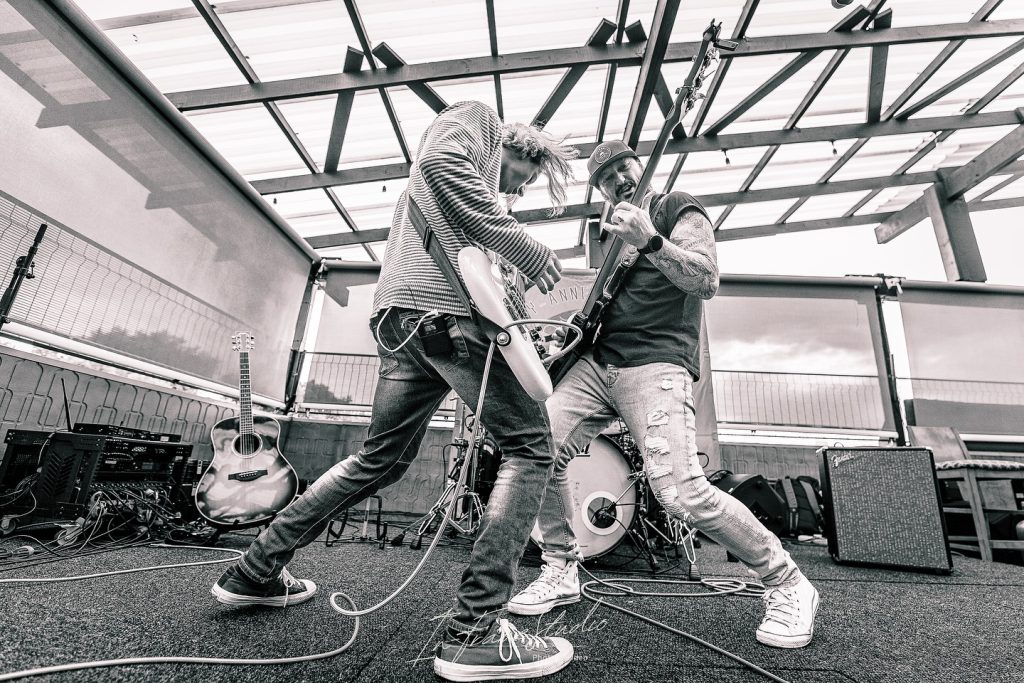
Cantrel (Photo by @inframestudiophoto)
Cantrel frame it around sound and impact. “Cantrel is a mix of the old-school sound of bands like Limp Bizkit and Nirvana and newer music from bands like Bad Omens and Bring Me The Horizon. Mixing that underground grunge rock and nu metal scene with today’s hard rock and metalcore scene brings a sound that people haven’t heard before. You haven’t lived if you haven’t been to a Cantrel show live. Our songs might sound great in your car stereo, but live we bring a whole different game to the playing field. With some of the fattest bass sounds, the hardest-hitting kick drums, and the nastiest guitar tones and riffs you will ever hear. And that, my friends, is why Cantrel is a band that you should never miss live.”
That is the bill in Westville. Three different bands, three different ways of talking about the work, and one short set each on the night. After that, the article is no longer the point. The sets are.