


Swtizerland’s Vígljós are currently taking their music across East and Southern Africa, starting today in Kenya before moving through Botswana, South Africa and Mozambique.
The band arrived on the continent with two full-length records already released: Tome I: apidæ in 2024 and Tome II: ignis sacer in 2025. The tour is set to open on 23 May at Shelter in Nairobi, followed by The Terrace in Kilifi on 24 May. From there, Vígljós head to Botswana for dates in Gaborone, Letlhakane, Ghanzi and Maun, before continuing through Pretoria, Maputo, Durban, Gqeberha, Cape Town and Stellenbosch.
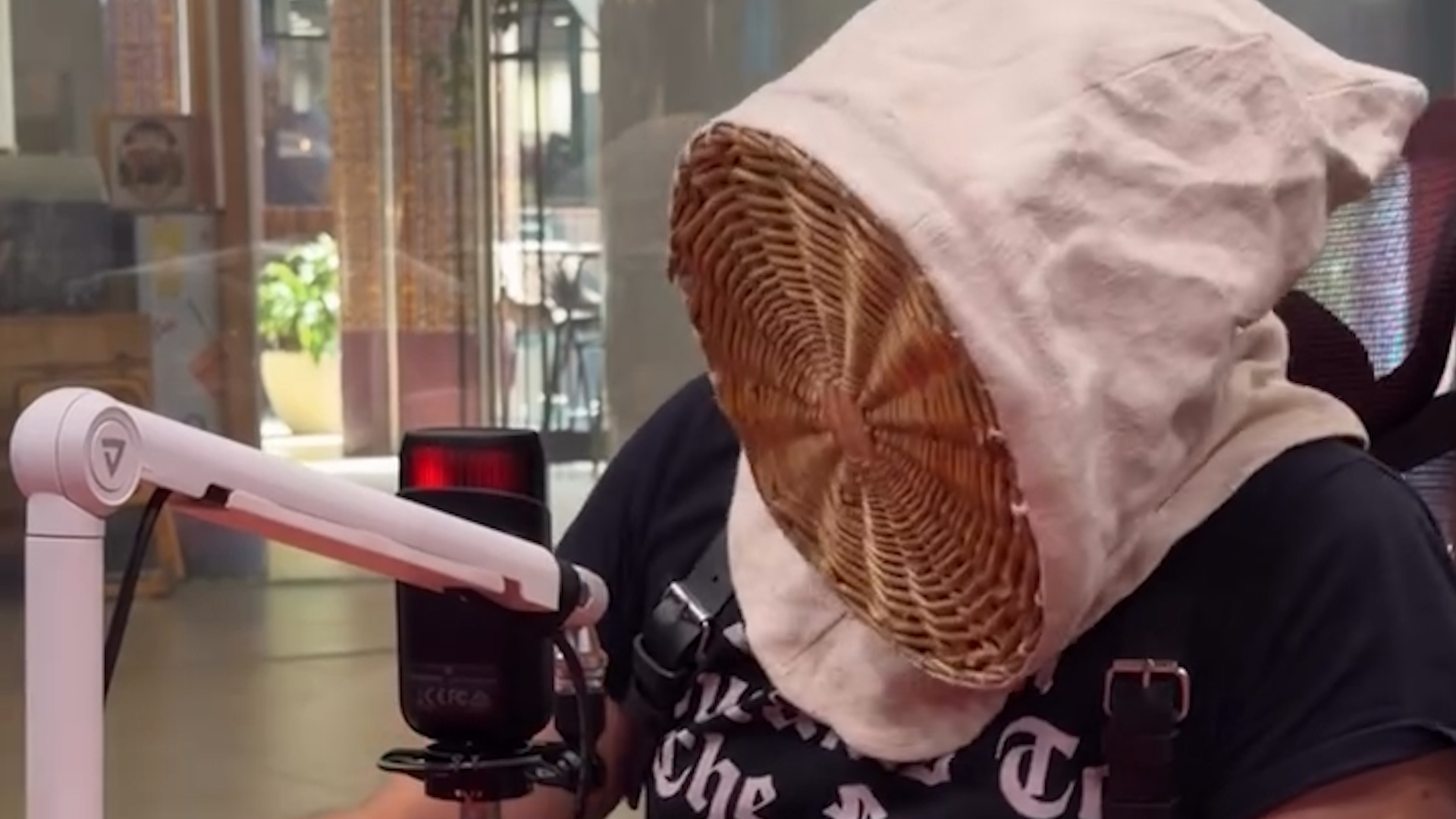
While in Kenya, Vígljós appeared on The Fuse, on Capital FM Kenya, where the host asked about one of the more unusual subjects behind Tome II: ignis sacer: ergotism, fungus, agriculture and the way those ideas connect with black metal.
The band explained that the album is built around a fungus that grows on grain and had a strong historical presence in medieval Europe: “Well, the whole album circles around this one fungus that lives on grain and, for a long time, especially in the medieval period, was responsible for a lot of weird things happening”, Vígljós said. “People were probably affected by it during these witch crazes and witch burnings, because people went crazy from it. People were suffering and dying from it a lot.”
They also connected the subject to their own region in Switzerland, and to Basel, where LSD was first synthesised from ergot: “It is very common in our area, where we come from. Eventually, in Basel, the city where we live, LSD was synthesised from this fungus as well. So it is kind of part of our heritage, or our national history or identity, this whole story around it. About an hour’s drive from where we live, there is this place you could call a medieval LSD temple, really. It is super colourful, with demons and stuff on the walls. That had a lasting impact on us when we grew up there.”
The conversation then moved into the wider themes around Tome II: ignis sacer, including drug influence, art, religion and social collapse. Asked about possible parallels between medieval and modern society, Vígljós pointed to volatility and the danger of power sitting too tightly in one place: “I think the more volatile society is, the closer these analogies become. In medieval feudal systems, you have this king who kind of rules everything, and if he sucks, then everything is going to suck big time. I think the way to a proper society that is stable is if everyone participates.”
Transcript prepared by AFRICA.ROCKS and lightly edited for readability.


