


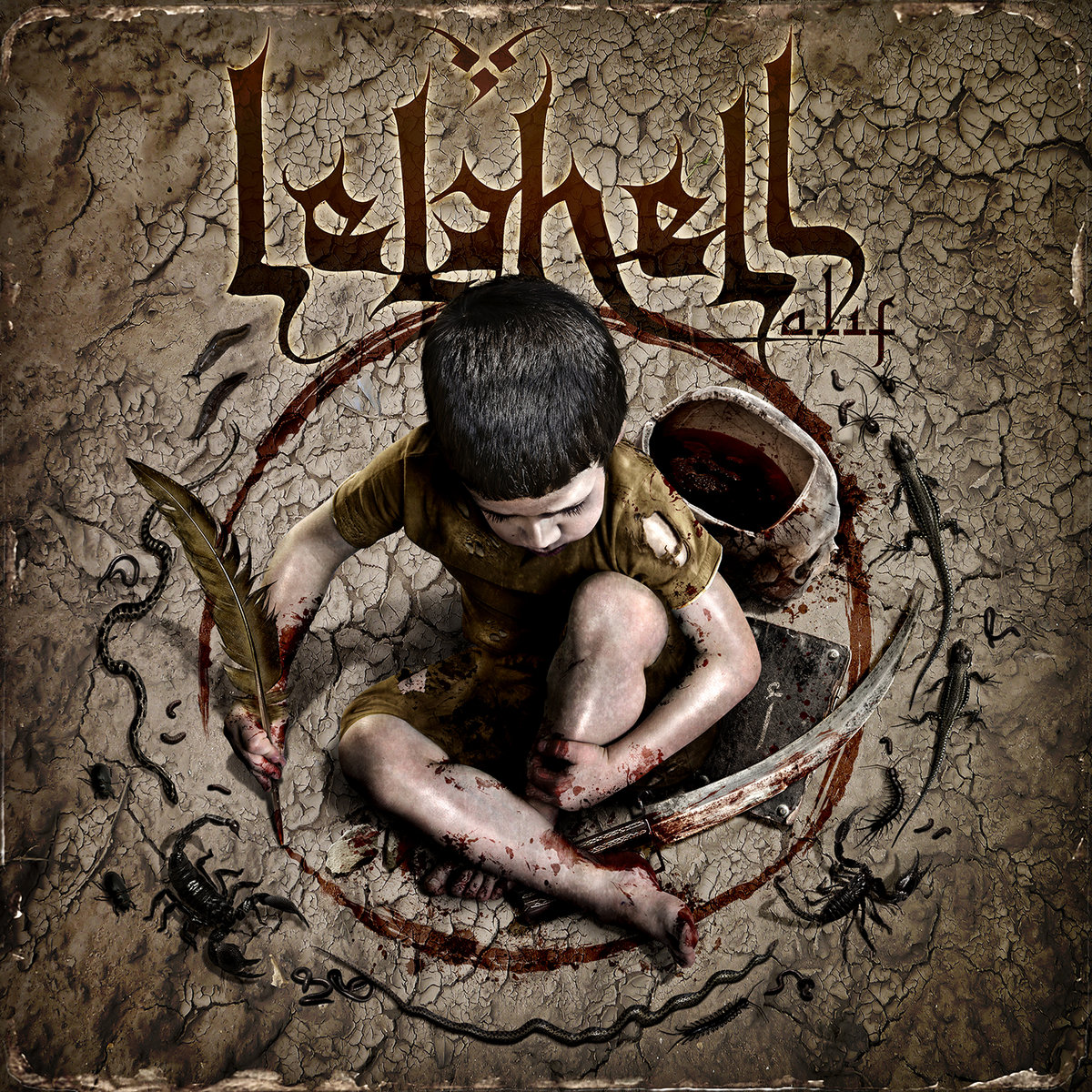
“A wealth of material drawn from the more intense, primal end of death metal.”
The second album from Algeria’s Lelahell is a curious combination of blasting death metal à la Krisiun or Angelcorpse, alongside some interesting harmonic choices that bring the lead material to life. This is aided and abetted by a rhythm section able to switch from intense blast beats to more drawn-out patterns that sustain the momentum whilst creating a sense of vertigo. There is also a degree of orchestral bombast flowing through the entire album, as themes from the interludes are carried through into the metal material, as if symphonic music were being transposed to guitars.
The production may be a little on the sterile side. There is no fat in the mix, and everything feels overly compressed, a throwback to the mid-2000s, when digital production became the industry standard and releases were duly homogenised as a result. That being said, the playing is intricate, and the listener benefits from the level of detail on offer here, as every molecule of each riff and passage is clearly visible. A dual vocal attack of mid-range growls and guttural outbursts further disorients, adding layers of intensity to an already cluttered picture. The drums benefit from the clinical mix, bringing the varied performance to the fore without overwhelming the other instruments, despite the lack of character in the overall presentation.
But any shortcomings at the mixing desk are more than compensated for by the sheer density and quantity of ideas on display here, as the music traverses intense bursts of primitive energy and regal displays of melodic prowess in the guitar leads, the latter of which are made all the more effective by being applied only sparingly. Lelahell also call on atypical influences to further complicate the picture, such as the repetitive rhythmic flourishes that decorate “Adam the First” and offset the otherwise near-constant blasting energy. This is also borne out by the interesting harmonic choices behind many of the guitar leads, which lend the whole thing an arcane mysticism in stark juxtaposition with the immediate physicality of the material.
Although, at a surface level, one could argue that this release lacks character, the music itself rises above the rather off-the-shelf mix. A wealth of material drawn from the more intense, primal end of death metal is elevated by razor-sharp technical precision on the part of these musicians, alongside the graceful integration of musical traditions from the region, all of which elevates this well beyond the typical crop of old-school death metal that was rife in the 2010s.


