


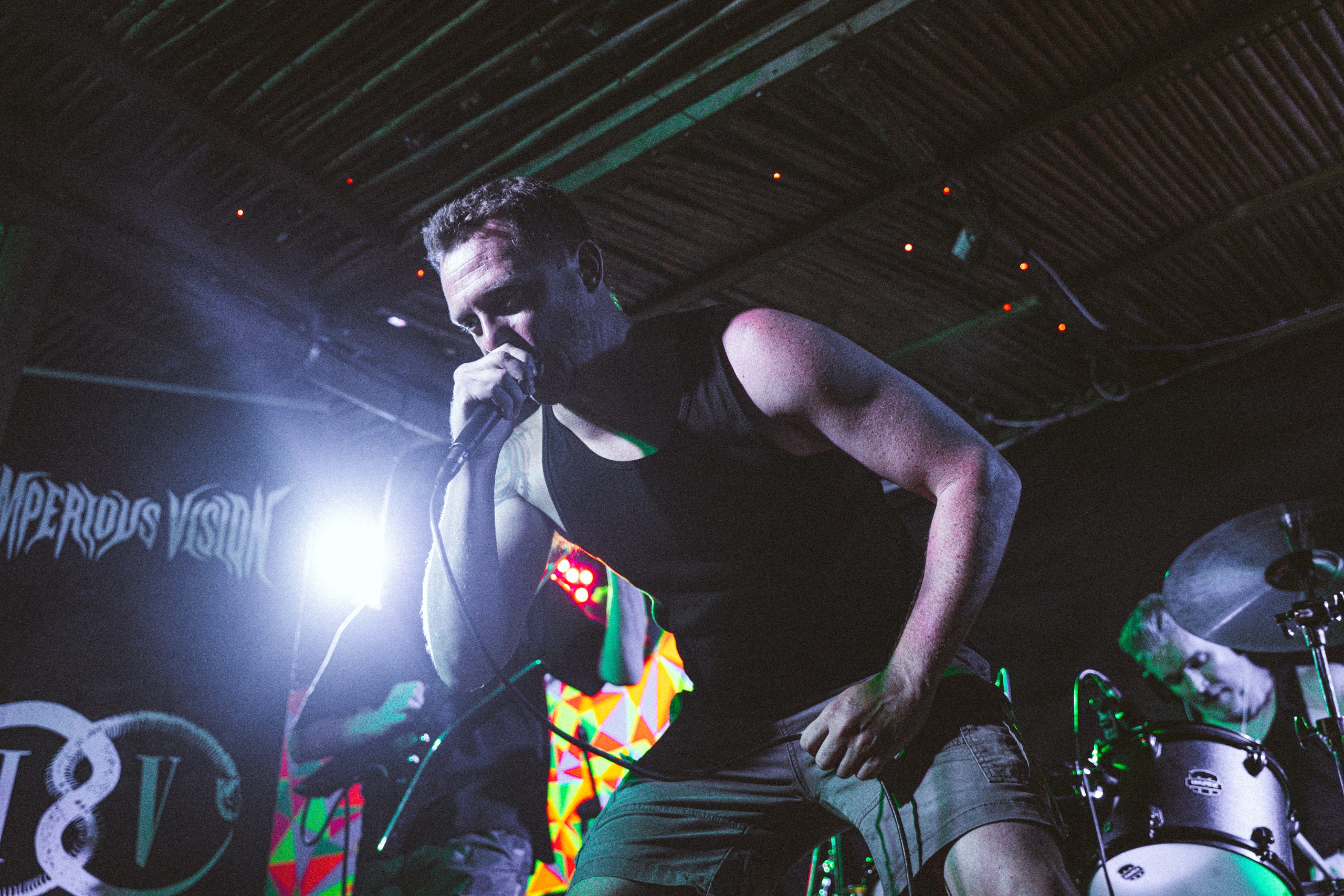
The first KwaZulu-Natal heat of Wacken Metal Battle Africa 2026 played out at The Westville Warehouse in Durban on 28 February, with Imperious Vision picked to move on to the Africa finals in Johannesburg.
Wacken Metal Battle runs on a simple structure. Regional heats feed into a national final, and the winner earns the chance to represent their country in the wider international circuit connected to Wacken’s global programme. In South Africa’s case, the regional qualifiers converge on the Africa finals in Johannesburg, with bands covering their own travel and related costs along the way. KwaZulu-Natal is a coastal province with a scene spread across Durban and its surrounding areas, operating a long drive away from the Johannesburg hub where the final is staged.
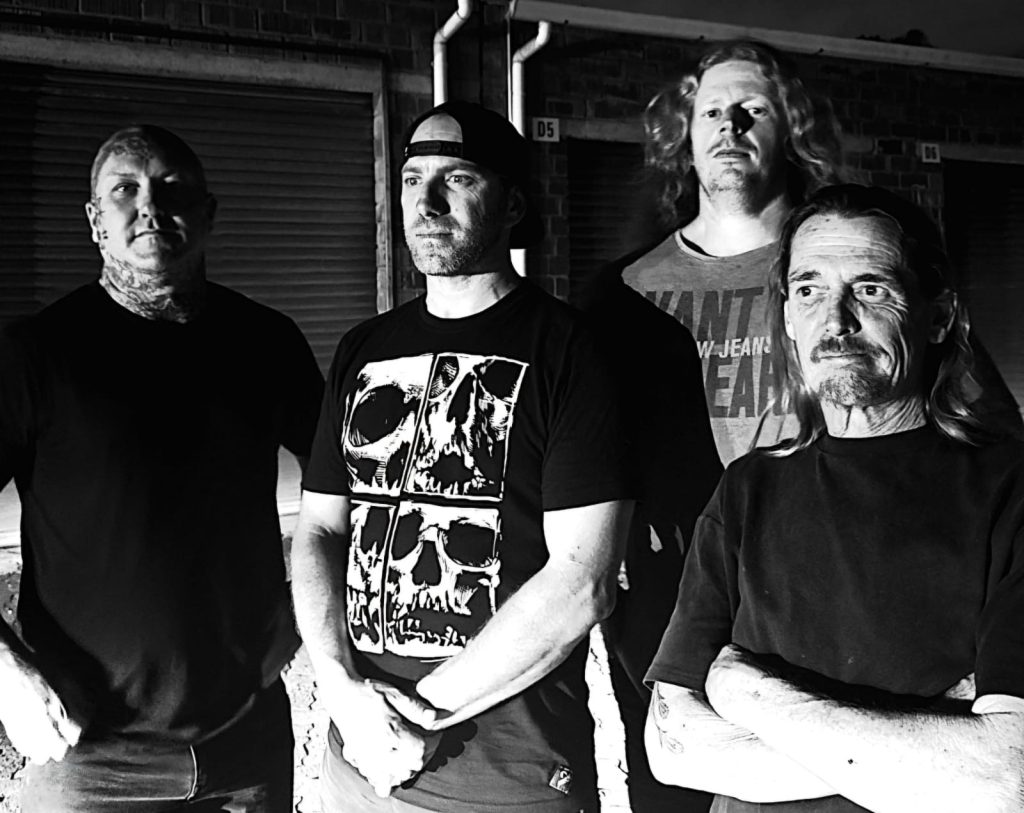
Going into the heat, Type 7 framed it as both an opportunity and a responsibility, tied directly to where they come from. “Type 7 was built in Durban,” Jaynell Schoch wrote on behalf of the band. “Stepping onto a platform that connects directly to the international metal community means we’re not only representing ourselves, but also showcasing the progressive metal scene in KwaZulu-Natal, which we believe deserves global attention.”
Schoch said the KZN heat has them treating the set like a focused statement, not a regular gig. “Wacken Metal Battle is definitely not just another show for us. It’s going to be a curated experience. We’ve planned full production and custom sets specifically for all the Wacken heats. The sets will be tighter, more intentional, and structured to hit with maximum impact from the first note to the last.”
For Type 7, that work sits on top of a longer build that started locally and stayed stubbornly self-driven. “Type 7 was formed with a clear creative direction: to merge progressive metal with futuristic themes, and explorations of alien disclosure and existential questions. It was built on the idea of pushing boundaries both musically and personally. Our story began in Durban, KwaZulu-Natal, born from a shared passion for progressive metal and a vision to create music that goes beyond the ordinary.”
“The reality of building a metal band in KZN is that you have to be self-driven.”
Schoch also pointed to the day-to-day reality of trying to grow a metal band in KZN, where progress usually comes from doing the boring work when nobody is watching. “The reality of building a metal band in KZN is that you have to be self-driven. That means doing a lot yourself: coordinating rehearsals around work and life commitments, managing your own production and distribution, promoting your music, organising live shows, and constant refinement of your craft. There’s no waiting for opportunities. You have to create them.”
On what separates the band on stage, Schoch kept it physical. “The intensity. On record, Type 7 constructs layered, futuristic soundscapes, but live, those layers become physical. It’s where the songs fully come alive. There’s a different level of energy exchange: the aggression hits harder, the dynamics feel bigger, and the emotional weight carries differently in the room.”
“if we are respected enough by the metal scene to take part, then I take that as a huge compliment.”
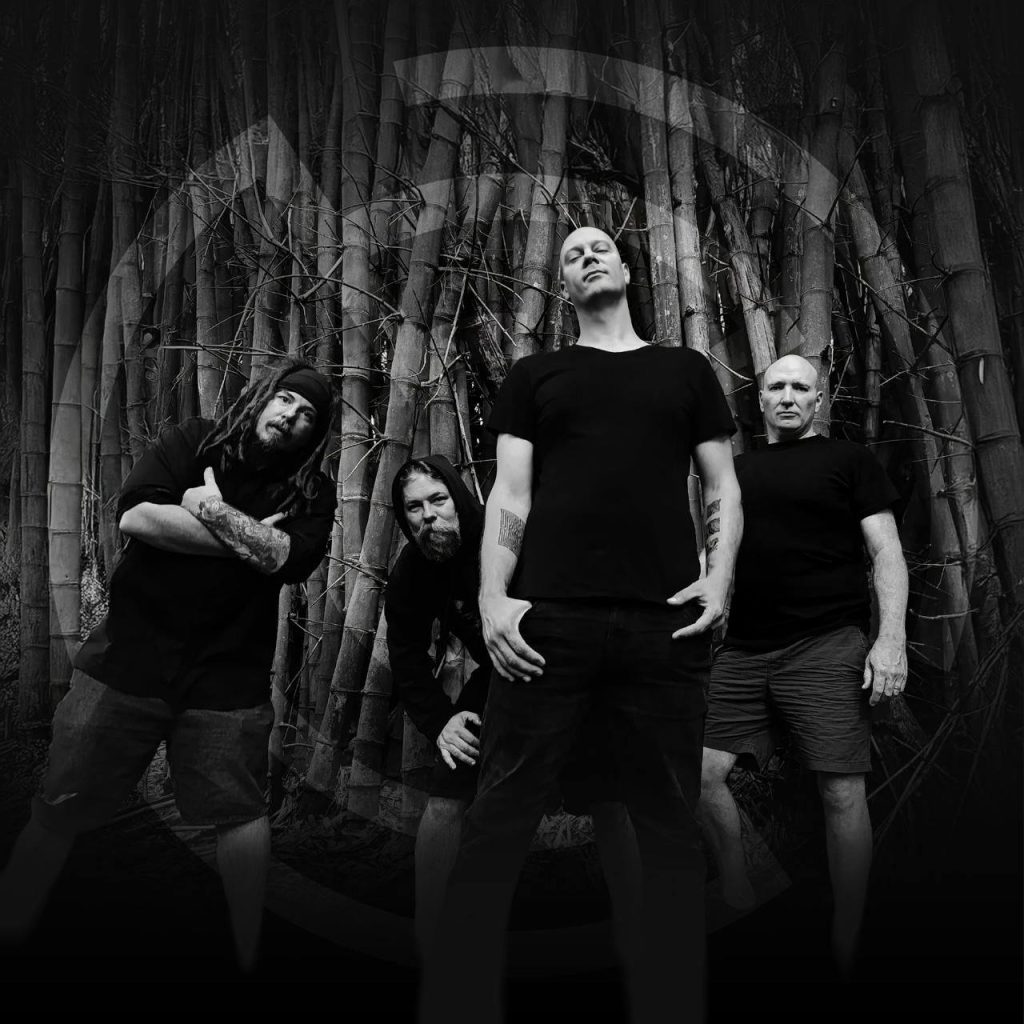
The Grimm Riddle came at it from a different angle, positioning themselves as an outsider in a metal-facing contest, while still treating the slot as a serious moment for the province. “We are kind of a wild card because I don’t consider our sound very metal, more alternative,” singer and guitarist Duane de Coning said. “So if we are respected enough by the metal scene to take part, then I take that as a huge compliment, and we are going to take this great opportunity to represent KZN as best we can. It’s such a privilege to play on stage with such rad bands and represent KZN as well.”
With a short slot, the prep became practical fast, especially on song choice and energy. “It’s a short time slot that we get to play, so we had to really choose our songs carefully. We’ve also tried to beef up our stage energy a bit to try and match the awesome energy I’ve seen from the other bands competing. But also, we’re just going to rock out and be completely authentic.”
He also touched on why playing heavier original music can be a grind in KZN, even when you are clearly doing the work. “I was recording and releasing online only for a good couple of years, where I played all the instruments myself. Then from about 2021 I started getting a band together to start playing live. Again, we’re more alternative rock, but certainly not an easy-listening cover band, so that makes it tricky to find venues and events willing to have our kind of sound on stage.”
“We use an old telephone from the 80s as a mic for some parts, so that should set us apart a little in sound as a band.”
For him, a regional heat like this can shift that a little, even if the infrastructure still feels thin on the ground. “Hopefully events like this will kick up some dust and get the heavier sound bands into more venues and events.” And live, they still want one or two details that people remember. “We use an old telephone from the 80s as a mic for some parts, so that should set us apart a little in sound as a band.”
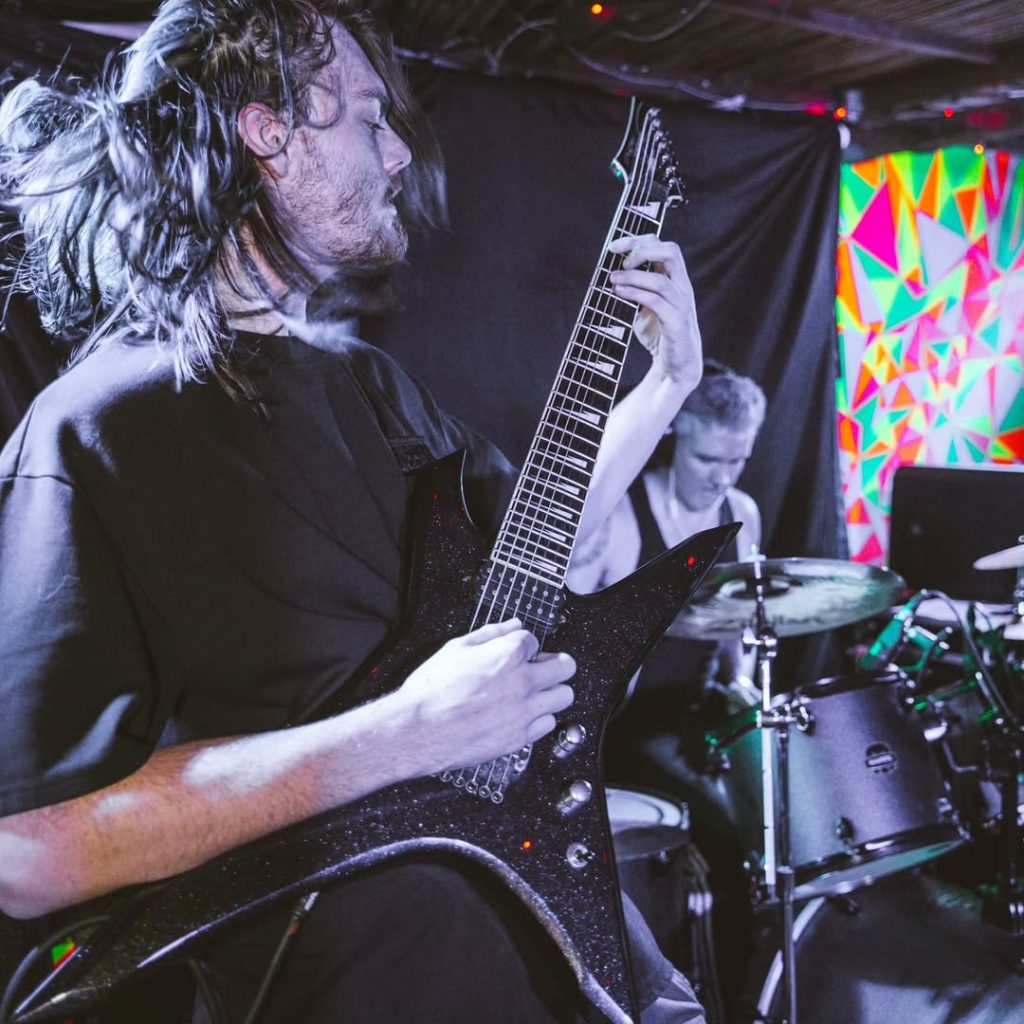
Imperious Vision only weighed in after the result, keeping it brief and focused on the night itself. “We had a fantastic time at the first heat of the Wacken Metal Battle,” drummer Brynn Huxtable said. “The sound and stage crew were amazing. Big thanks to Jamie for his mastery on that front. Every band gave it their all and we’re very grateful to have been chosen to head through to the finals where we’ll bring our A game for the Joburg crowd.”
The Wacken Metal Battle Africa finals are set for 6 June 2026 at Sognage in Johannesburg, where KZN’s winner will face the rest of the country’s qualifiers with a shot at carrying the flag into the next stage of the international competition.


